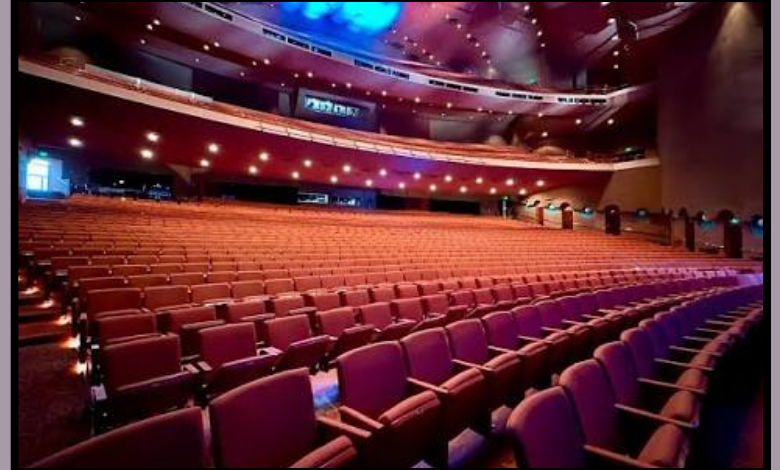
One of the prominent performing arts spaces that Arizona is known for is ASU Gammage. It is a famous architectural attraction located in Tempe. Created by Frank Lloyd Wright, ASU Gammage is a blend of unique architecture and rich history of theater, musical and dance performances. Since the time it was opened in 1964, it became an integral element of Arizona State University and the arts scene of the Phoenix metropolitan area. One can visit the place to attend Broadway shows and musicals, but also admire the architectural work of Frank Lloyd Wright.
Instant Bio
| Profile Detail | ASU Gammage |
| Full Name | Grady Gammage Memorial Auditorium |
| Common Name | ASU Gammage |
| Location | Tempe, Arizona, United States |
| Address | 1200 South Forest Avenue, Tempe, AZ 85281 |
| Opened | September 1964 |
| Architect | Frank Lloyd Wright |
| Named For | Grady Gammage, former president of Arizona State University |
| Owner / Affiliation | Arizona State University |
| Venue Type | Performing arts center and auditorium |
| Primary Uses | Broadway, theater, concerts, dance, lectures, and cultural events |
| Seating Capacity | Approximately 3,000 |
| Architectural Style | Frank Lloyd Wright’s distinctive late-career modernist design |
| Building Height | Approximately 80 feet |
| Building Size | Approximately 300 by 250 feet |
| Seating Levels | Three |
| Stage | Designed for theatrical and musical performances |
| Famous Architect Connection | One of the best-known completed public buildings designed by Frank Lloyd Wright in Arizona |
| University Connection | Located on the Arizona State University Tempe campus |
| Major Performance Role | Home venue for Broadway touring productions in Arizona |
ASU Gammage stands at the intersection of architecture, university history, and live entertainment. Its connection with Frank Lloyd Wright gives the building unusual architectural significance, while its ongoing performance schedule keeps it relevant to contemporary audiences. The combination makes it more than a conventional theater and helps explain its lasting importance in Tempe.
History and Origins of ASU Gammage
The story of ASU Gammage began with Grady Gammage, who served as president of Arizona State University and wanted a major auditorium for the growing institution. Gammage approached Frank Lloyd Wright about designing the building, creating a collaboration that would eventually produce one of the most distinctive public structures in Arizona. Wright developed a circular auditorium concept that emphasized movement, symmetry, and strong geometric forms. Although both Gammage and Wright died in 1959, the project continued under the direction of Wright’s associates. Construction eventually moved forward, leading to the building’s opening in 1964.
The auditorium was created during a period when Arizona State University was rapidly expanding its educational and cultural role. A major performing arts facility gave the university a place to host professional artists, orchestras, theatrical productions, lectures, and community events. Its location in Tempe also helped establish the campus as an important cultural destination within the Phoenix metropolitan region. Over time, the auditorium developed a reputation that extended well beyond the university itself. Its architectural identity became closely connected with Tempe’s cultural landscape.
The building’s opening marked an important moment in Arizona’s performing arts history. The Philadelphia Orchestra performed during the inaugural celebrations, helping establish the auditorium as a serious venue for major cultural presentations. Subsequent decades brought an increasingly diverse program of theater, music, dance, and entertainment. This long performance history helped the venue maintain a connection with several generations of Arizona audiences. Today, its historical significance remains closely linked to both the university and the broader development of the state’s arts community.
The history of the venue is also inseparable from its architect. Wright was one of the most influential American architects of the twentieth century, and his work emphasized relationships between buildings, movement, geometry, and human experience. The auditorium demonstrates these ideas through its unusual shape, bridges, ramps, and carefully considered relationship between audience and stage. Consequently, visitors can experience architectural history while attending a modern performance. That combination remains one of the venue’s strongest distinguishing features.
Frank Lloyd Wright Architecture and Design
The architecture is arguably one of the main reasons visitors search for information about ASU Gammage before planning a trip. Wright created a structure that looks very different from a traditional rectangular theater, using circular forms and strong geometric elements to produce a memorable silhouette. The building features large pedestrian bridges, dramatic ramps, and distinctive exterior details that guide visitors toward the auditorium. Its overall design creates a sense of movement rather than presenting the building as a static box. This approach reflects Wright’s interest in integrating architecture with the experience of people moving through a space.
One of the building’s notable characteristics is its relatively close relationship between the stage and the audience. The auditorium was designed with three levels of seating, while the furthest seat is approximately 115 feet from the stage according to venue information. This arrangement helps create an intimate atmosphere despite the building’s capacity of roughly 3,000 people. It also allows performances to maintain a strong visual and acoustic connection with the audience. These practical qualities demonstrate how Wright’s architectural ideas were combined with the requirements of a functioning performance venue.
The design also has an unusual connection to Wright’s earlier architectural concepts. Wright originally developed an opera-house proposal for Baghdad, and elements of that vision influenced the design eventually developed for the Tempe auditorium. The final structure adapted those ideas to a university environment in Arizona. Its pale exterior, circular organization, and monumental ramps give it a visual identity that is immediately recognizable. For architecture enthusiasts, this history makes the building particularly interesting because it connects an Arizona landmark with an earlier international design concept.
The interior is equally important to the overall experience. Audience members enter a performance environment designed around visibility, sound, movement, and proximity to the stage. The building also incorporates university-related facilities and spaces that support education, administration, rehearsal, and cultural programming. Therefore, the auditorium functions as more than a standalone theater. It remains part of an active university environment while continuing to operate as a professional performing arts venue.
Shows, Seating and Visitor Experience
The venue is widely associated with Broadway touring productions, making it a major destination for musical theater audiences in Arizona. Its program also includes concerts, dance performances, theatrical presentations, speakers, and other cultural events. Because the schedule changes throughout the year, visitors should consult the official event calendar for current productions and performance dates. Different shows can attract different audiences, so planning ahead is especially useful for popular productions. The variety of programming allows the auditorium to appeal to both dedicated theater fans and casual visitors.
Seating is another important consideration when choosing tickets. With approximately 3,000 seats distributed across three levels, the auditorium offers different viewing perspectives while maintaining a comparatively close relationship between the audience and stage. Individual seat experiences can vary depending on the production, stage configuration, and exact location. Visitors who have specific accessibility or viewing requirements should check the venue’s current seating information before purchasing. Reviewing the official seating information can also help guests choose tickets that match their preferences and budget.
The visitor experience begins before the performance itself. Guests may want to arrive early enough to navigate parking, locate entrances, collect tickets, and explore the building’s architecture without feeling rushed. Because performances can attract large crowds, arrival times may be affected by traffic and event activity around the university campus. Checking venue policies and transportation information in advance can make the visit smoother. Once inside, the combination of historic architecture and live entertainment provides an experience that is difficult to reproduce in a conventional theater.
The venue also has significance for visitors who are interested in architecture rather than performing arts. Someone can appreciate the building’s geometric forms, ramps, bridges, and overall composition even when no performance is being attended. However, visitors should remember that access and opening arrangements can depend on scheduled events and venue operations. Checking official information before making a special architecture-focused visit is therefore sensible. Combining a performance with time to appreciate the building can provide the most complete experience.
Location, Importance and Planning Your Visit
ASU Gammage is situated on Arizona State University’s Tempe campus, placing it within a lively university and metropolitan environment. Its position makes it accessible to audiences from Tempe, Phoenix, Scottsdale, Mesa, and other parts of the greater Phoenix area. The surrounding campus also provides opportunities to explore additional university facilities and nearby attractions before or after a performance. Visitors should check current transportation and parking information because arrangements can vary according to events and campus activity. Planning the route in advance is particularly useful for evening performances.
The auditorium’s cultural importance extends beyond its role as a theater. It represents an important connection between Arizona State University and the performing arts while preserving the legacy of one of America’s most influential architects. The building has hosted generations of performers and audiences, creating a substantial cultural history since its opening. Its continued operation demonstrates how historic architecture can remain useful without losing its original identity. This combination of heritage and active programming gives the venue an unusual place within Arizona’s cultural landscape.
For first-time visitors, a few practical considerations can improve the experience:
- Check the official event schedule before choosing a performance date.
- Review current parking and transportation information before traveling.
- Select seating according to your preferred view, budget, and accessibility needs.
- Arrive early enough to handle parking, entry, and ticket checks comfortably.
- Allow time to appreciate the building’s distinctive Frank Lloyd Wright architecture.
- Check venue policies regarding bags, cameras, accessibility, and other visitor requirements.
- Confirm performance times because schedules can vary between productions.
The lasting appeal of the venue comes from this combination of practical and cultural value. Audiences can attend a major touring production while also experiencing a building with a significant architectural history. Students and university communities benefit from its educational and cultural role, while residents and visitors can enjoy a broad range of professional performances. As a result, the auditorium continues to serve several audiences at once. Its ability to combine historical character with contemporary entertainment is central to its continued relevance.
(FAQs)
What Makes ASU Gammage Famous?
ASU Gammage is famous for its Frank Lloyd Wright design, distinctive circular architecture, and long history as a major performing arts venue. It is also closely connected with Arizona State University and Broadway touring productions.
Who Designed ASU Gammage?
Frank Lloyd Wright designed the original concept for the auditorium. The project continued after Wright’s death through his associates and was completed in 1964.
How Many Seats Does ASU Gammage Have?
The auditorium has approximately 3,000 seats arranged across three levels. Its design keeps the audience relatively close to the stage compared with many large performance venues.
Where Is ASU Gammage Located?
ASU Gammage is located at 1200 South Forest Avenue in Tempe, Arizona, on the Arizona State University campus. Its location places it within the Phoenix metropolitan area.
What Shows Play At ASU Gammage?
The venue presents Broadway touring productions along with concerts, theater, dance, and other cultural events. The current schedule changes regularly, so official listings provide the most accurate information.
Conclusion
ASU Gammage is a landmark in Arizona which successfully blends performing arts, university tradition, and Frank Lloyd Wright’s architecture. Since its opening in 1964, ASU Gammage has hosted numerous performances, musicians, dancers, theatrical groups, and visitors from the whole region. The unique circular shape, 3,000 seats’ capacity and close ties to Arizona State University distinguish this place from regular theaters. A visit to this facility allows enjoying a Broadway performance and a notable example of twentieth century architecture at once. Regardless of whether one comes to ASU Gammage just for fun or due to interest in its history, culture, or architecture, the experience will be memorable.

